How to commission an AI video for your business: from idea to finished film
From the brief to the final cut: production stages, examples, timelines and answers to common questions.
Imagine a Monday presentation. The marketer has assembled six beautiful shots over the weekend. Excellent light, impossible city, expressive protagonist. By shot three, the protagonist has become another person. The bottle has changed too. Both seem to have developed ambitions beyond the approved campaign.
This is an easy way to obtain impressive images when the request was for a film. To commission an AI video for your business, first agree what happens on screen and why the viewer should care. Generation has work to do. So do the script, product review, edit and sound.
Professional AI video production can replace parts of a physical shoot, but the result still depends on a sequence of human decisions. Whether it reduces this project’s budget or schedule follows from the scene list. For a UAE campaign, audience, placements and language versions belong in that discussion from the start.
What kinds of video can you create with AI?
Commissioned AI video can serve several purposes. Choose the format according to what the audience needs to understand. A collection of available effects is an entertaining menu, but a rather unreliable brief.
 Commercial
 Brand film
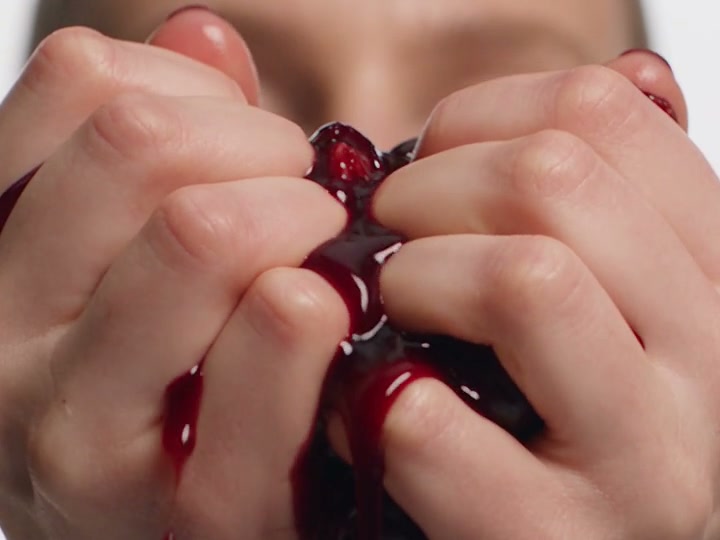 Product visualisation
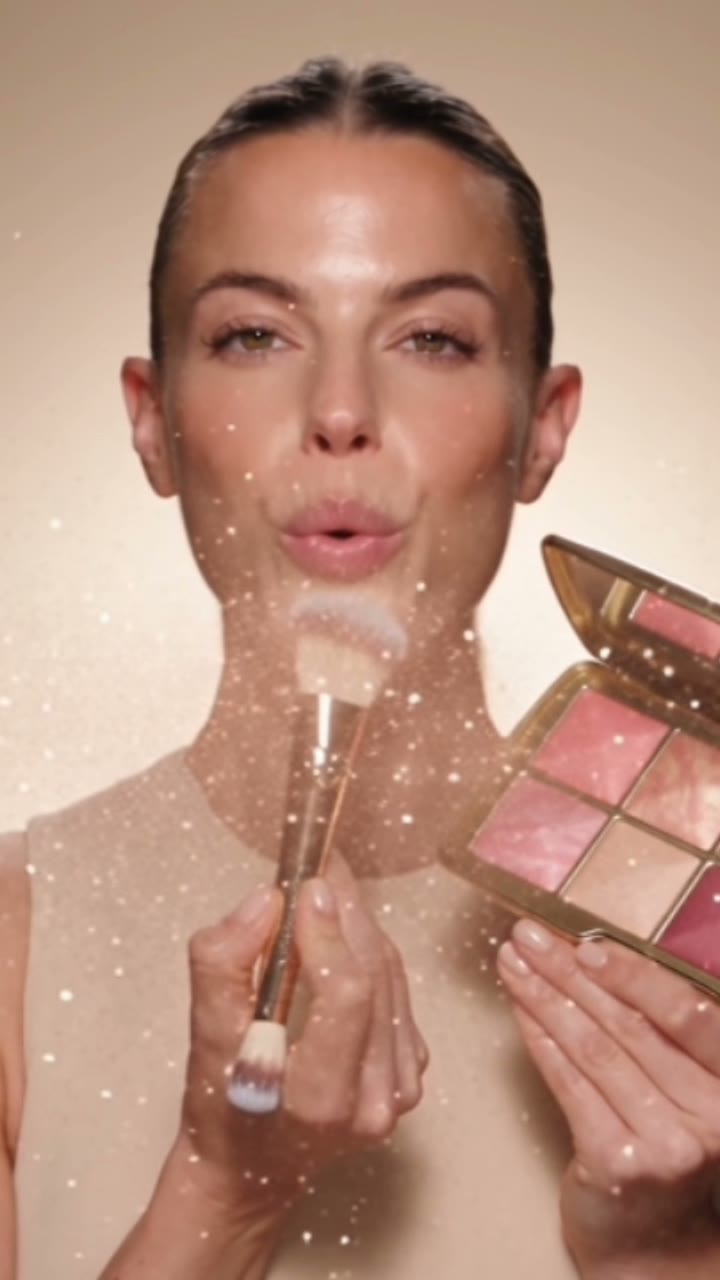 Social media content
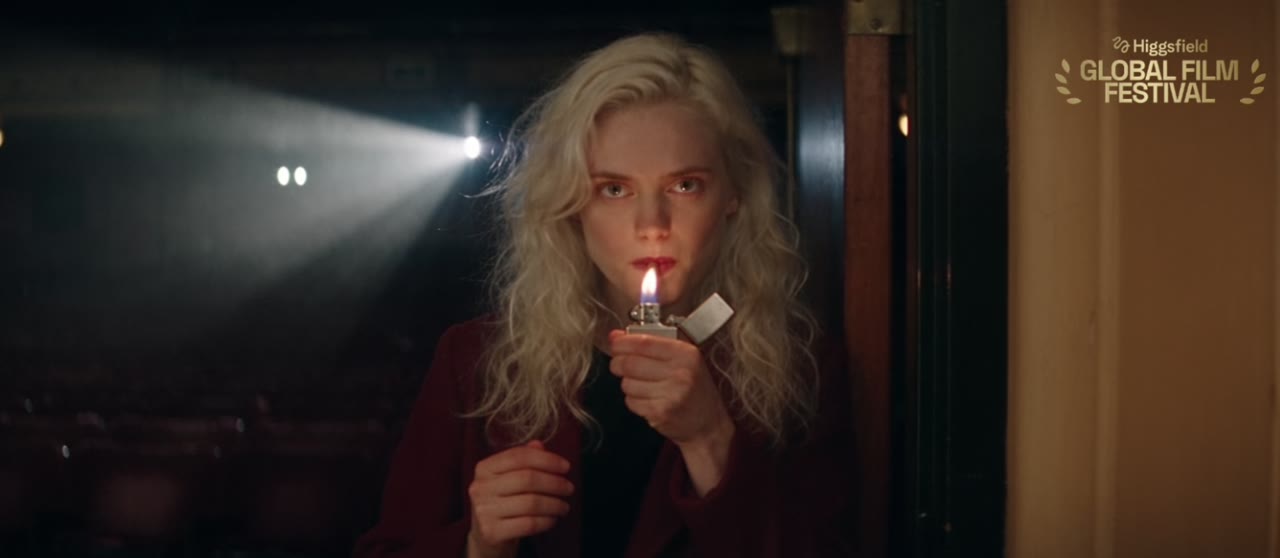 Cinematic project
Commercials. Short versions such as six, fifteen, thirty or sixty seconds can introduce a product, explain a feature or support a launch. A small runtime makes the main thought especially visible. Several unrelated benefits do not become a story merely by fitting inside the same edit.
Brand films. More time allows a business to express its character through a person, setting or event. An invented period or location can help. It still needs development and continuity: the palace may stop requiring a booking, but it does not stop requiring decisions about how it looks and why it is there.
Product visualisations. Light reveals glass, movement reveals fabric, an unusual setting changes scale. Check shape, packaging and lettering against references. A bottle can visit another planet without returning with a new logo. That distinction should survive every close-up.
Social content. Reels, Shorts and recurring formats need recognisable choices about pace, framing, text and character. One successful post does not establish that the format can continue. A pilot should test the rules as well as the individual idea, before the team commits to a whole series.
Cinematic projects. A short film or episode needs an event and a character with something at stake. An extraordinary world gives the story a place to happen. The audience still needs a reason to stay; architecture, however impressive, cannot carry every dramatic responsibility.
Precise hand actions, recurring products in motion, close performances and extended dialogue deserve specific tests. The answer may involve generation, filming or different staging. Examine the scene on which the whole film depends before asking every other shot to wait for it.
Which brands and business goals suit AI video production?
Discuss AI video through the job the category needs done. Fragrance may need atmosphere; a device needs a legible action; clothing needs to remain the actual garment. A general instruction to look expensive does not resolve those differences.
| Category | Typical task | What to check |
|---|---|---|
| FMCG and retail | Launch and test creatives | Product, packaging and meaningful differences between versions |
| Beauty and fragrance | Texture and atmosphere | Accurate identity and supported product claims |
| Property and hospitality | Introduce a place | Approved references and a clear distinction between fact and fiction |
| B2B and technology | Explain a complex idea | A readable metaphor and accurate demonstration |
| Personal brands | Establish a recognisable voice | Permission for likeness and an approach suited to the person |
An interview, testimonial or report matters because something actually happened. Record that part. A generated smile cannot establish a satisfied guest. A campaign can keep its documentary material live and use imagined scenes elsewhere without asking either method to do the other’s job.
How AI video is made: six production stages
A script change can involve a few lines. After production, the same decision may affect a face, costume, location, movement and several neighbouring shots. Review work in stages while each question is still small enough to answer economically.
- Brief and idea. Identify audience, placement and one main thought. If the film must explain the entire company, choose a priority. Other messages can become other materials rather than tiny lettering at the end.
- Script. Set out events, copy and approximate timing. Check where the product enters and what changes between beginning and end. Approval here should concern the story, before everyone is distracted by beautiful images.
- Visual direction and storyboard. Agree light, environment, characters and shot sizes. Record product and character features that must remain stable. This is a useful moment to discover that two proposed shots do exactly the same work.
- Testing and shot production. Test the demanding action first. Previsualisation may help with a complex scene. Select tools for the requirement and assess results by the role of the shot, rather than by novelty alone.
- Editing and finishing. Connect action, rhythm and transitions; refine the product, lettering and logos. Occasionally the most spectacular shot must leave. The story is allowed to improve even after the team has become attached to an image.
- Sound, colour and delivery. Develop voice, music and atmosphere; agree the use of materials and finish the image consistently. Check every promised version under its intended viewing conditions. Languages and captions need their own review.
Brief & idea
Script
↳ ApprovalStoryboard
↳ ApprovalPrevis & generation
Editing
↳ ApprovalSound, colour & delivery
The proposal should define review points and revision rounds. Appoint one person to consolidate feedback. This preserves the team’s input while avoiding a situation in which production is asked simultaneously to make a scene slower, faster and exactly as it was.
AI video examples: commercials, brand films and cinematic projects
Look at what each portfolio piece actually demonstrates. A spec commercial is an independent advertising concept, not confirmation that the named brand commissioned it. A filename cannot establish campaign results, budget or a client relationship.
| Work from the supplied portfolio | Format | What to examine |
|---|---|---|
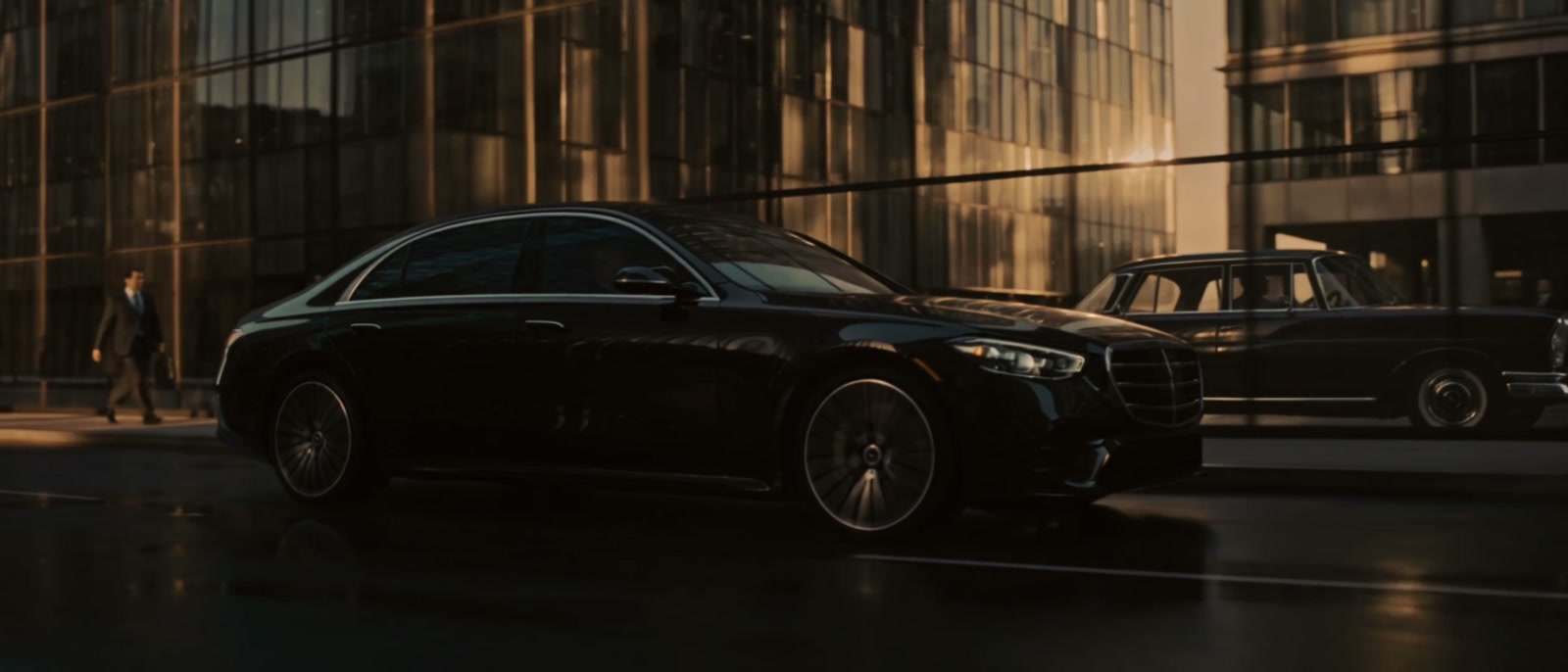
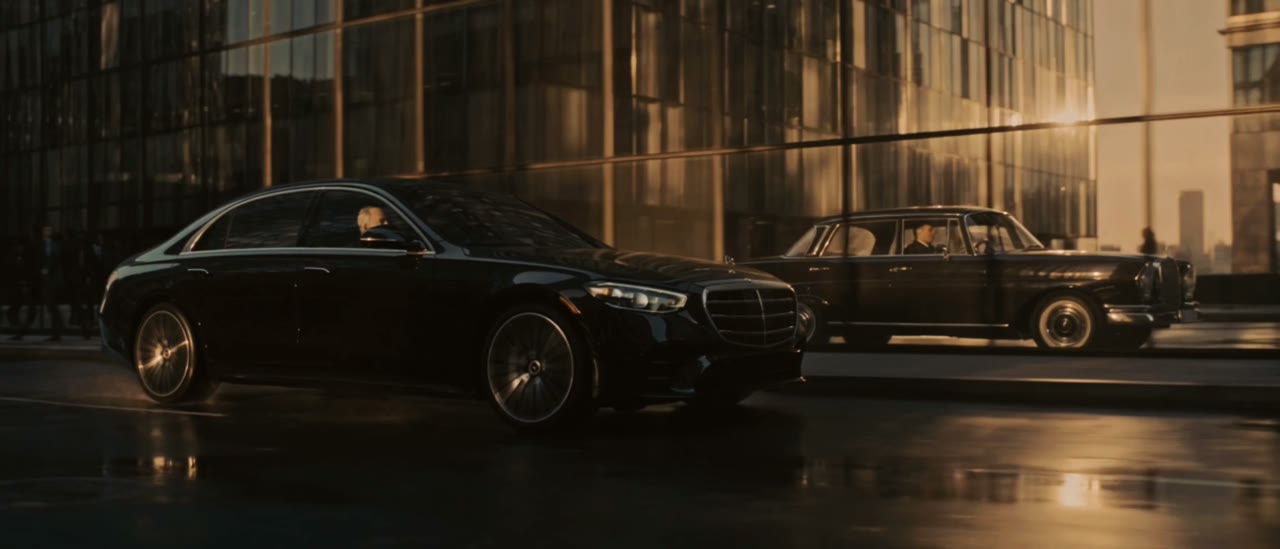
| Spec Mercedes | Independent advertising concept | The relationship between product, character and edit |
| Fashion Two | Fashion video | Silhouette, movement and changes of shot size |
| ONLY AUTHORS LEFT ALIVE | Short film | Developing action and a coherent world |
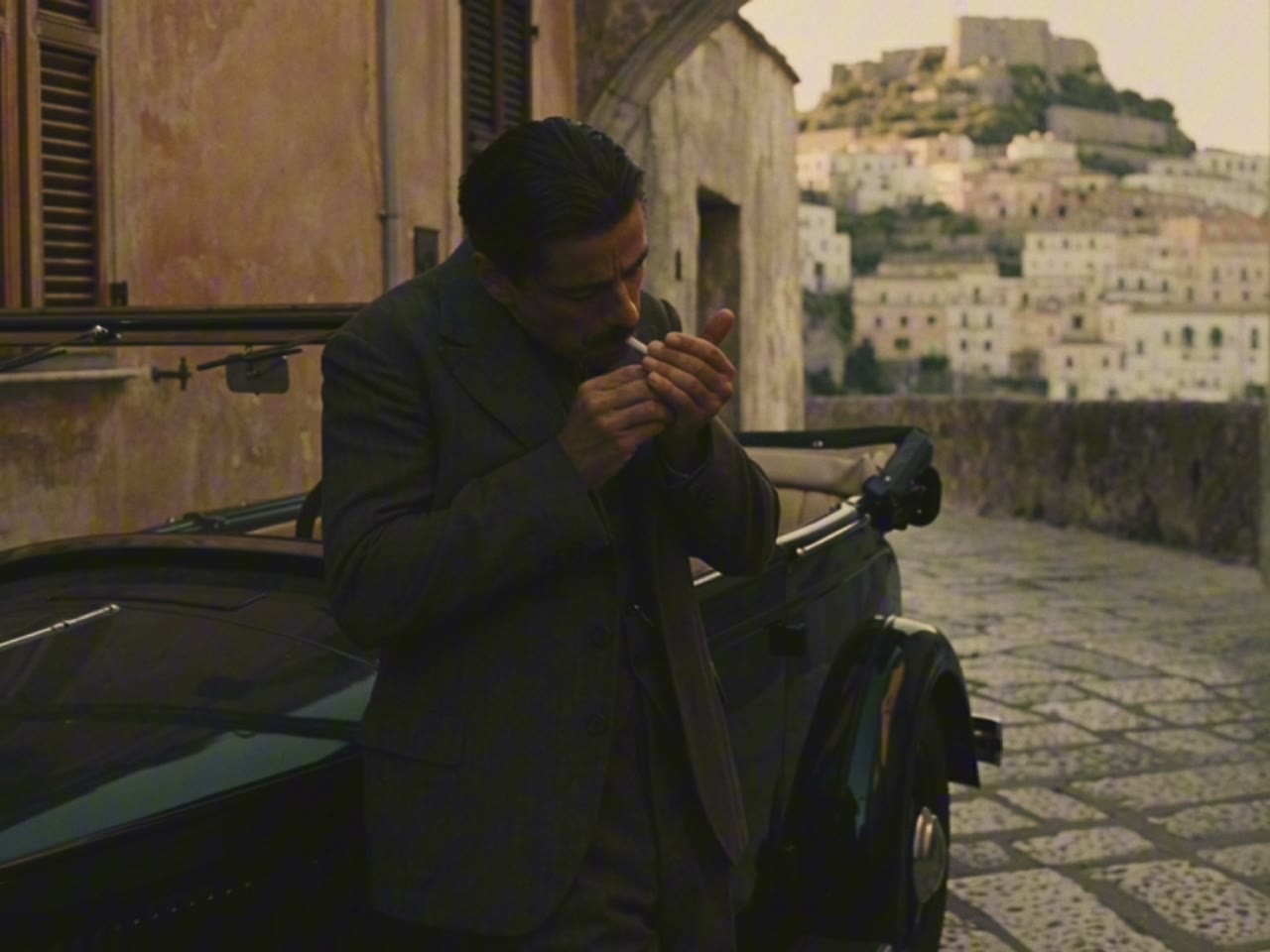
| VIDEO. SICILY1920 | Cinematic study | Setting, costume and a sense of period |
In the Sicily excerpt, notice how shots establish a place and time. Apply those questions to your project: what does the frame tell us, how does it connect to the next, which detail holds the atmosphere? This is more useful than treating the film as a quiz about which model produced a face.
How professional AI production differs from generating video yourself
Generating your own images is a reasonable way to experiment. The task changes when selected experiments must become a specific result by a specific date. That requires a sequence of decisions and responsibility for the whole film.
| Question | Experiment | Planned production |
|---|---|---|
| Idea | Can emerge from trials | Agreed before the main shots |
| Character and product | Variation may be welcome | References and accuracy criteria are established |
| Edit | Uses what the trials provide | Supports planned action and meaning |
| Sound | Can remain exploratory | Developed with the story |
| Usage | Still needs checking | Materials and delivery terms discussed for the project |
Access to the same tool does not produce the same film. Selection makes the difference: what to keep, what to give time, where to remove an attractive distraction. These decisions rarely occupy the largest buttons in the software. They occupy a great deal of the viewer’s experience.
Ask a studio for complete, relevant work as well as impressive seconds. Can the product be recognised? Does the story make sense? Do pauses have a purpose? A long portfolio is useful only if it helps you assess the kind of film you need.
What to prepare before commissioning an AI video
A perfect document is unnecessary for the first conversation. Honest answers are useful. Mark what is still open rather than filling a field with an arbitrary decision that someone may later mistake for approval.
- What should change after viewing: product understanding, interest in a collection, a particular next step?
- Who will see the film, where, and what do they already know about the brand?
- Which single thought matters most? Which messages can move to another piece?
- Which identity files, colours, fonts and statements are approved?
- Do product references include different angles and real use?
- What does each reference contribute: lighting, rhythm, composition or behaviour? What should be avoided?
- Which runtimes, aspect ratios and language versions are needed? For Arabic, who reviews copy and layout?
- What are the launch date, budget constraint and approval arrangements?
The brief that starts it all
Ten questions about your goal, product, audience and deliverables. Save it before our first conversation.
Download checklist ↓FAQ: timelines, quality, revisions, formats and commercial rights
How long does AI video production take?
Timing depends on the script, demanding scenes, versions and approvals. Ask for a calendar with intermediate reviews. Producing one shot quickly does not finish the film: it must connect to other shots, be refined and checked. Agree the actual schedule after the brief rather than borrowing one from another project.
What image quality will we receive?
Specify resolution and master-file requirements for the intended placements. Full HD or 4K describes delivery, not the entire quality of an image. Discuss the source material and any processing, then examine motion, product detail and text on the real screen. Extra pixels cannot correct the wrong shape.
How many revisions are included?
The proposal should state revision rounds and stages. Correcting an error, refining an approved decision and changing the story are different amounts of work. Timecoded comments with a reason make changes easier to assess. Resolve contradictory feedback before passing it to the production team.
Which formats will be delivered?
Agree the list before production: for example, a landscape master, vertical advertisement, additional runtimes, captions and covers. Each needs a composition and readability check. Sometimes cropping is sufficient; sometimes another edit is needed. The content determines which applies.
Who owns the rights to the AI video?
Record usage and delivery terms for the specific project. Music, voice, source material and production tools can involve separate conditions. A general website sentence cannot establish every right a campaign needs. Discuss intended use, territories, placements and supplied materials in the project agreement.
Can our ambassador or founder appear?
Discuss the person’s participation, permission for their likeness, source material and performance requirements. Close shots and speech deserve a test. One photograph is not a reliable basis for assessing everything the eventual performance will require.
What does commissioning an AI video cost?
Bureau 723 has no fixed public tariff. Scenes, product and character accuracy, editing, sound, versions and approvals affect the estimate. Share the task and any budget limit. That allows the proposal to describe a feasible film rather than an abstract price for a second of screen time.
Discuss your project and get a tailored proposal
Tell the studio what you want to show, to whom and where. Include available material and references. The conversation can establish a format, the uncertain scenes and the scope. For a UAE launch, also identify audiences, languages and who will approve each version.
Discuss your project ↗The most useful result of the first call is one shared understanding of the film. The impressive images can follow. They work better when everyone knows why they are there.