Advertising with AI: what AI production can do for brands
Formats, possibilities and limitations of AI advertising. How to turn a brand idea into a finished film.
Imagine a campaign review. A city floats above the clouds. A glass whale passes a woman in red. Everyone remembers the images. Nobody remembers the product. The film had substantial artistic ambitions; the brand was offered a small space in the credits.
Advertising with AI begins with the same question as any advertising: what should the viewer understand about the product? AI production offers ways to build unusual scenes and action. Their relationship with the brand still needs to be written and tested.
This guide covers the work, formats, cost and approval decisions behind AI advertising. There is no universal promise of savings. A meaningful production estimate belongs to a particular script, audience and delivery plan.
What is AI advertising, and how does it work?
An AI commercial uses generative tools for some of its images, movement and sometimes voice or sound. It can also include filming and graphics. The concept, script, direction and edit determine what the audience takes from that combination.
Visual references establish the product, character, setting and light. Movement and continuity are then tested. Editing, image finishing, sound and colour turn selected material into a film. The diagram looks reassuringly brief; the decisions inside it account for much of the work.
 01 / Keyframe
 02 / Motion
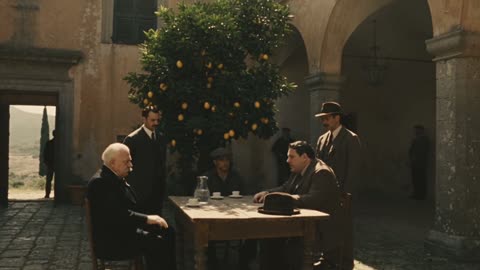 03 / Editing, sound & colour
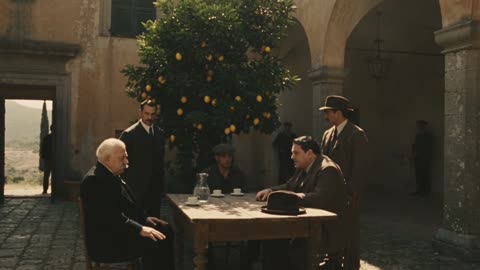 04 / Finished video
Product shape, character identity and connected action need a checking process. Approved references give each new shot something to remain faithful to. A beautiful result in one generation has not accepted responsibility for the next one.
Ask what the message would lose if a shot disappeared. If the answer is only a few attractive seconds, you may have found a useful cut. The viewer does not know how long the image took to make.
Which advertising formats can you create?
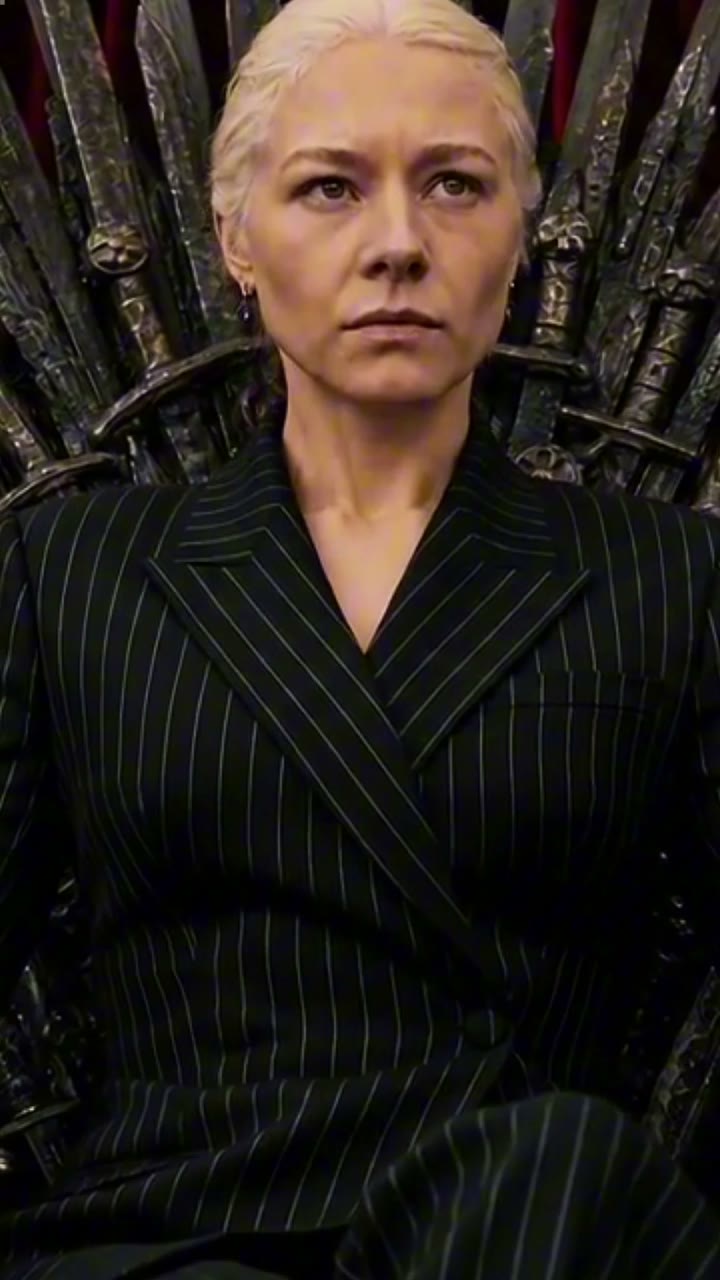 Fashion
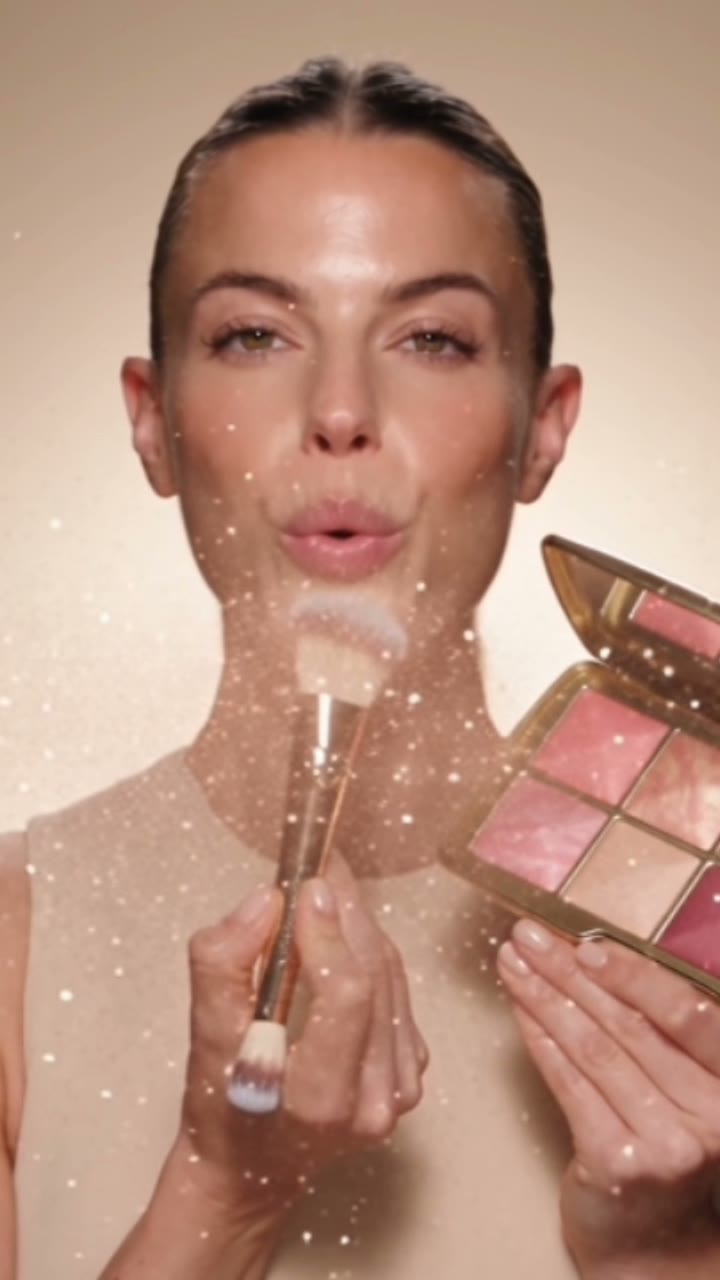 Beauty
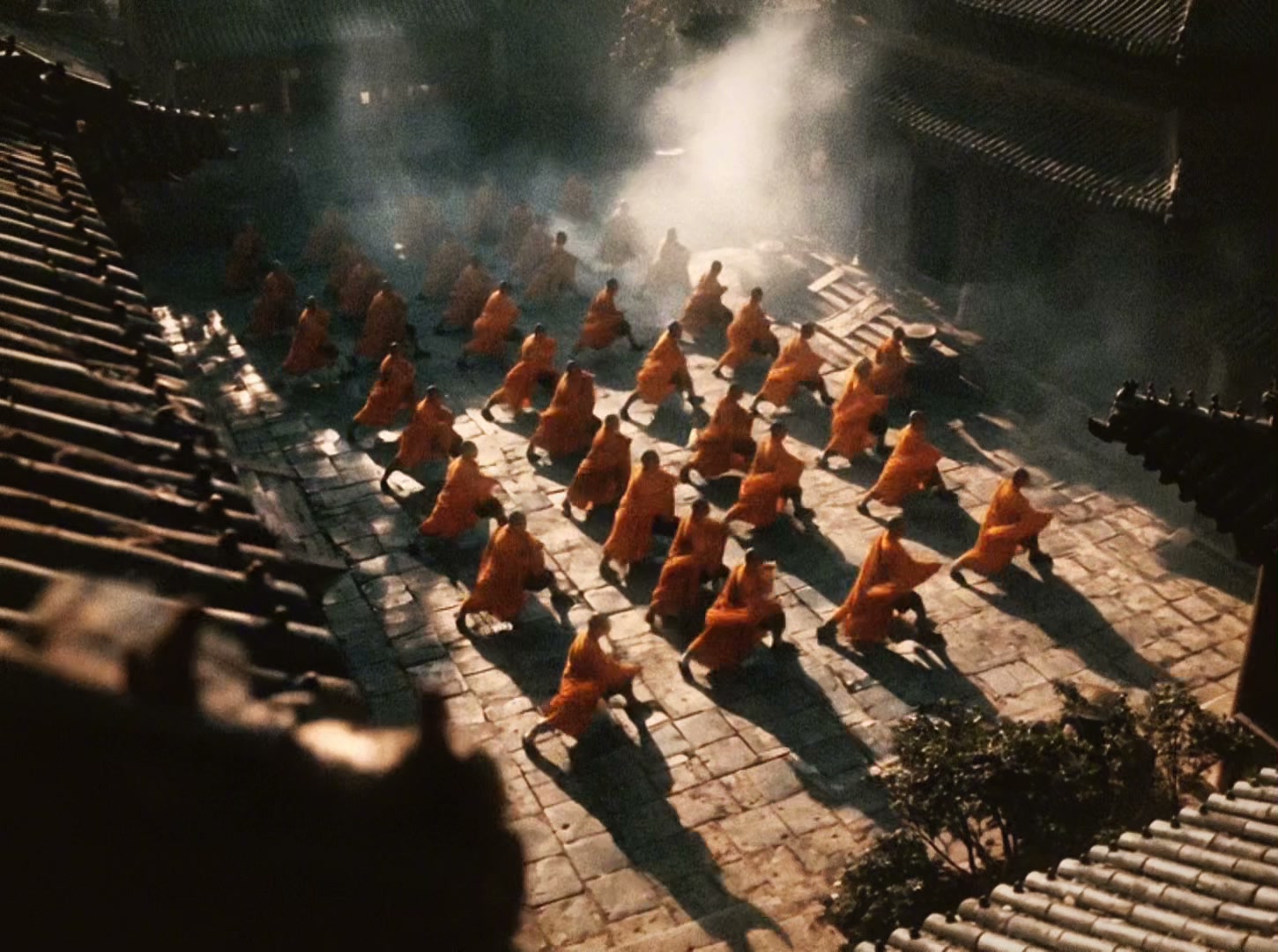 Setting · visual study
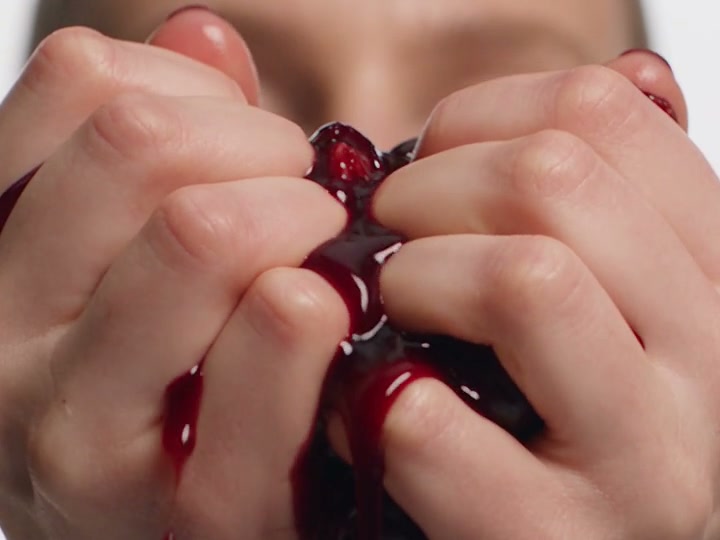 Product
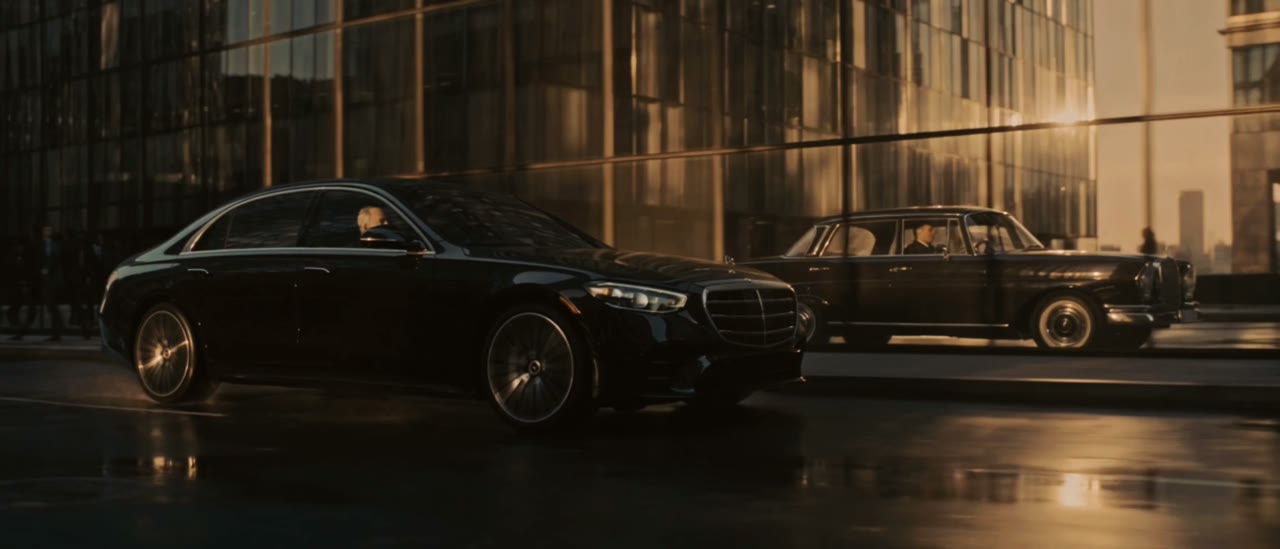 Cinematic ads
Fashion. A campaign introduces a collection’s world; a product film presents the garment. Check fabric, fit, print and construction against references. Test the expressive turn early: movement can reveal that the coat has quietly changed its design.
Beauty. Light, texture, a drop or a gesture can communicate sensation. Keep the product’s actual properties separate from the artistic treatment. For skin or packaging close-ups, establish which details must be checked literally before making atmosphere the only approval criterion.
Property and hospitality. An atmospheric film may imagine, while information about real spaces needs approved material. Room geometry, views and amenities affect expectations. For a UAE hospitality campaign, make invented sequences distinguishable from features a guest could reasonably expect to book.
Products and FMCG. An item can enter an unusual environment or be shown through texture, scale and use. Shape, lettering and action still require review. Where a scene explains a mechanism, accurate filming may be more useful than repeatedly asking generation to infer how it works.
Cinematic advertising. A character, event and change of situation give the brand a longer statement. The product should belong to that story. If any other item can replace it without consequences, the script remains unusually welcoming to somebody else’s logo.
AI advertising examples: our projects and case studies
Spec work: independent advertising concepts
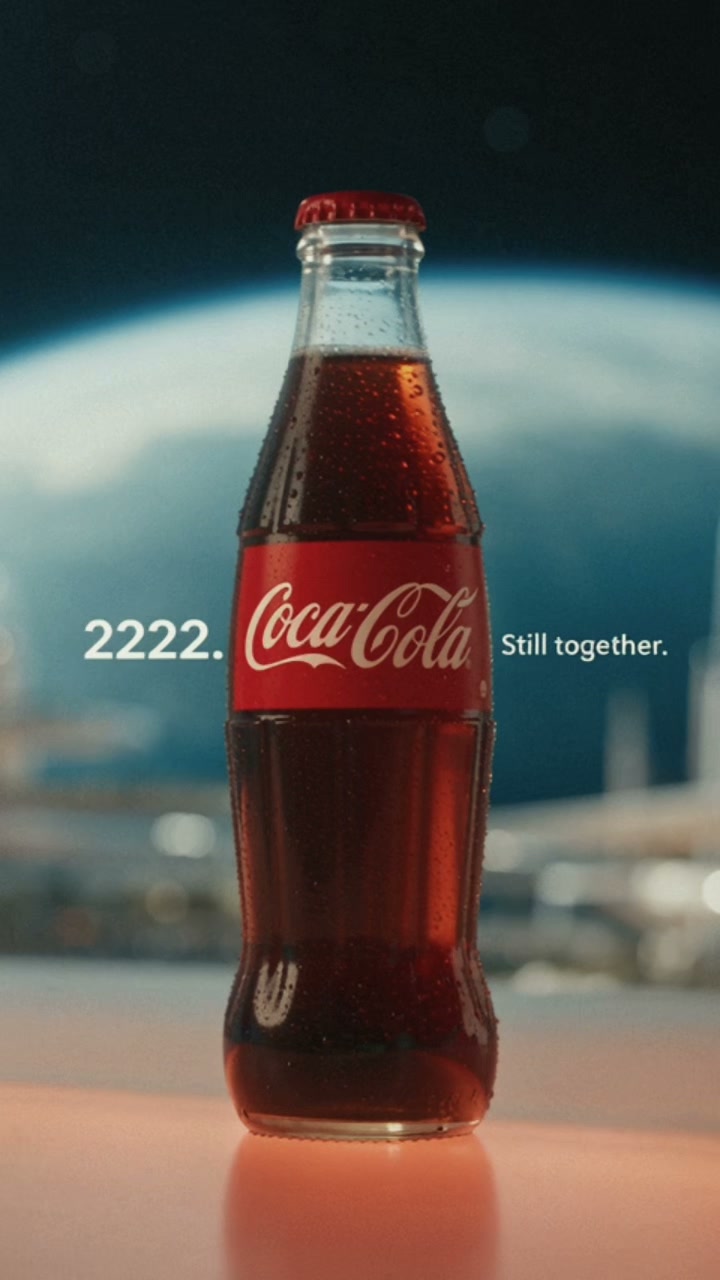
The supplied portfolio includes Spec Coca Cola, Spec Mercedes and Spec Nike. The Spec label matters: these are independent advertising works. They should not be presented as confirmation that those brands commissioned Bureau 723.
Examine how attention moves between product, character and successive shots. For your brief, ask which device helps the product and whether it suits the task. Sharing a general mood does not establish that two advertisements need the same treatment.
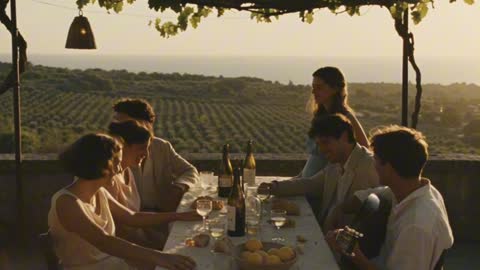
Fashion and a cinematic setting
Fashion Two offers a way to examine silhouettes and garment movement. A campaign for a real collection adds a comparison with actual products. Convincing fabric is useful; the required fabric is still the requirement.
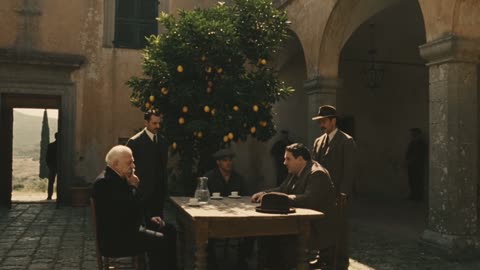
The Sicily study can be viewed for setting, costume and a sense of period. Describe the visible result without inventing a budget or production method. An image shows what reached the screen. An account of how it was made needs its own evidence.
The next question is what remains of the brand message after the novelty of the technique fades. New tools stop being new. The relationship between the story and product needs to survive that ordinary development.
How AI advertising is made: from idea and script to final edit
Organise AI advertising production around decisions that can be reviewed in time. The opening, product entrance and final message should have a place in the script. At the end of the edit, the frame may already be rather crowded.
- Idea. One thought about the product and an observation that makes it intelligible. Try describing it without relying on the word “viral”.
- Script. Events, copy and timing. Different openings for testing can be planned around one campaign idea rather than improvised after delivery.
- Visual direction. Light, setting, character and product presentation. Approve references and identify the features that cannot change.
- Testing and preparation. Try the demanding gesture or interaction before producing all scenes. Use previsualisation, filming or prepared assets where appropriate.
- Shot development and selection. Judge the role of the shot, its accuracy and its connection to neighbours. Beauty is a reason to look, but not the only acceptance criterion.
- Edit and finishing. Rhythm, compositing, lettering, music, voice and colour. Then check each format and language. English and Arabic versions need their own copy and layout review.
For preparation and approval stages, read “How to commission an AI video for your business”.
Advantages and limitations of AI production
An advantage becomes useful when its conditions are visible. Freedom to invent may help a fictional city and cause trouble for exact packaging unless the boundaries are clear.
| Opportunity | What to plan |
|---|---|
| Invented location or period | Environment development and connected shots |
| Several creative directions | Selection time and decision criteria |
| A recurring character | References, identity rules and motion tests |
| Product in an unusual scene | Shape, lettering and action checks |
| Changes without a new physical setup | Further shot development and editing |
| A series of versions | Composition and message suited to each placement |
AI does not supply a missing idea. If the audience remembers only whales and clouds, return to the script. Adding more effects will usually create more things to remember instead of the product.
How much does AI advertising production cost?
Bureau 723 has no universal AI advertising rate. Cost follows complexity, accuracy and delivery. A stationary item under changing light and an item being opened, passed between hands and examined close-up may occupy the same runtime while requiring very different control.
A useful estimate makes the work visible:
- Concept and script development, including the number of routes.
- Scenes, characters, difficult actions and consistency requirements.
- Product, lettering and logo accuracy, with necessary finishing.
- Editing, sound, voice, music and agreement on materials.
- Formats, languages, alternative openings, cutdowns and covers.
- Review schedule and revision rounds.
Duration & scenes
People on screen
Product accuracy
Number of versions
Sound
Timeline
Fully generated scenes may avoid a physical location, but development, selection, corrections and finishing remain. Hybrid work adds filmed elements. Compare proposals for the same script and deliverables. A smaller total sometimes describes less work, rather than a more efficient way of doing it.
FAQ: branding, quality, realism and legal questions
Will our brand identity be preserved?
Turn it into decisions before production: light, colour, framing, wording and product presentation. Check logos and packaging against supplied files and finish them separately where necessary. Review recognition in the completed film and its short versions. A brand manual does not automatically direct the edit.
Will viewers know the film uses AI?
That depends on the intended treatment and execution of particular scenes. A film may embrace fantasy or aim for realism. Agree the required look and test the challenging shot. A blanket promise of indistinguishability before that test says little about the eventual work.
What quality will be delivered?
Agree master and adaptation specifications for the placements. Resolution, readable text, movement and product consistency need separate checks. Full HD or 4K in a filename does not replace a viewing. Include any required source-image processing in the plan.
Can our ambassador appear in the film?
Discuss the person’s involvement, permission, source material and required performance. Speech and close shots benefit from testing. The agreement should cover this use; the fact that a photograph is available online does not establish the arrangement for your campaign.
Who owns the finished film?
Set out usage and delivery terms in the project agreement. Music, voice, third-party assets and tool conditions need their own attention. Name the intended campaign uses and placements early so these questions are settled before the final export becomes urgent.
Does AI advertising need a disclosure label?
Check the current requirements of the intended platform and market for the actual material before release. Assign responsibility for that review in the brief. A similar advertisement from another brand does not establish the answer for your project: circumstances and requirements can differ.
Discuss your advertising project
Describe the product, audience and placements. Include references, brand material, release date and a budget constraint if one exists. For a UAE campaign, specify language versions and the approval owner for each. This gives the studio a basis for the concept and production approach.
Discuss your advertising project ↗Start with what deserves attention in the product. Everything else can earn its place in the frame by helping the viewer notice it.